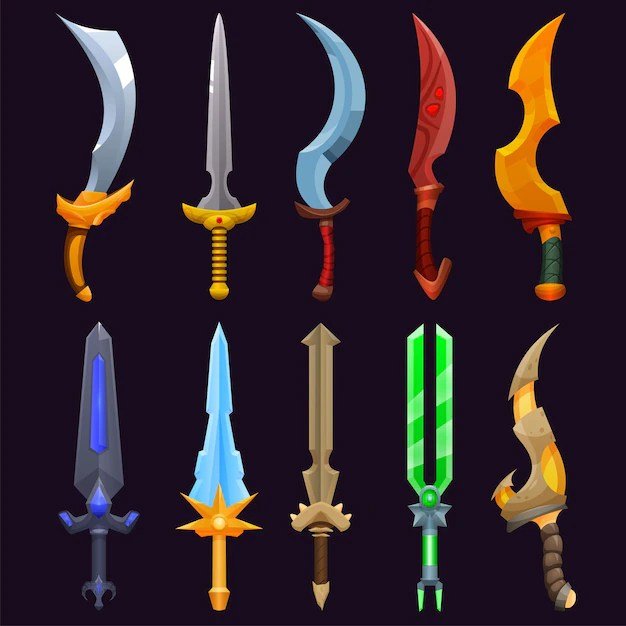
The vibrant world of animation has gifted us countless iconic blades: from He-Man’s Power Sword to Link’s Master Sword, and even the impossibly huge Buster Sword of Cloud Strife. These aren't just props; they're symbols, cherished by fans globally. But beneath the fantasy, the Safety and Legal Aspects of Cartoon Swords demand serious real-world attention. Owning, displaying, or even just transporting these replicas isn't child's play; it's a responsibility governed by a complex web of laws and common-sense safety protocols.
Even if you envision yourself battling mythical beasts or saving Hyrule, the very real concerns of law enforcement, public perception, and physical harm loom large. Let's cut through the fiction and arm you with the knowledge to enjoy your cartoon sword collection safely and legally.
At a Glance: Your Cartoon Sword Responsibilities
- Not All "Cartoon Swords" Are Equal: Distinguish between toys, blunt props, and realistic or functional replicas—their legal and safety implications vary widely.
- Safety First: Treat all replicas, even blunt ones, as potentially dangerous. Weight, materials, and accidental impacts are real hazards.
- Know Your Law: Federal laws are sparse, but state and local regulations on sword possession, display, and carry are critical and vary significantly.
- Age Matters: While not universally strict for toys, realistic replicas often fall under 18+ age restrictions for purchase and ownership in many states.
- Intent and Context Are Key: Carrying a prop at a private convention is different from openly displaying it in public or brandishing it.
- Secure Storage is Non-Negotiable: Keep all replicas, functional or not, locked away from children and unauthorized individuals.
- Seek Guidance: For handling or training, find certified instructors. For legal advice, consult a lawyer.
Beyond the Screen: Understanding Your "Cartoon Sword"
The term "cartoon sword" can be a bit of a misnomer, encompassing everything from a foam toy bought for a child to a meticulously crafted, full-tang steel replica designed for display or even historical reenactment. To truly grasp the safety and legal implications, you first need to define what kind of "cartoon sword" you're dealing with.
Consider the spectrum:
- Foam or Plastic Toys: Lightweight, soft, clearly non-lethal. These are generally unregulated, intended for imaginative play.
- Wooden Replicas: Often used for training or as sturdy props. While blunt, wood can still cause serious injury due to its rigidity and weight.
- Blunt Metal Props: Crafted from steel or aluminum, these can be heavy and sturdy, designed to look realistic without a sharpened edge. Popular for cosplay or display, but their weight and hardness make them dangerous if mishandled.
- "Live" or Functional Replicas: These are essentially real swords designed to mimic a cartoon aesthetic. They might come sharpened or can be sharpened, featuring real blades, full tangs, and the potential for real harm. This category is where the lines blur most significantly with traditional sword ownership.
This distinction is not merely academic; it’s fundamental to how your item is perceived by law enforcement and the public, and how you should treat it for safety. When we talk about the ultimate guide to cartoon swords, understanding this crucial classification is step one.
Why These "Fantasy" Items Demand Real-World Rules
The allure of a cartoon sword often lies in its fantastic design and the heroism it represents. Yet, even a seemingly innocuous prop can present very real dangers and legal quandaries. The world, unfortunately, isn't always prepared for a giant, spiked buster sword being carried down Main Street, regardless of its lack of a sharp edge.
From a safety perspective, sheer weight and blunt force can cause significant injury. A heavy metal prop, swung carelessly, can break bones, cause concussions, or damage property. From a legal standpoint, the appearance of a weapon can be just as problematic as an actual weapon, leading to misunderstandings, brandishing charges, or public disturbance incidents. The core principle holds true: regardless of its origin, treat any sword-like object as a potentially dangerous device.
The Sharp Truth: Safety First, Always
Your most powerful defense against accidents and legal trouble is a commitment to safety. This means cultivating a mindset of respect and caution for every sword in your collection, from the lightest prop to the heaviest replica.
Treating Every Replica as a Potential Hazard
It’s easy to dismiss a blunt metal sword as "safe" because it lacks a cutting edge. This is a critical mistake. Consider these often-overlooked hazards:
- Impact Trauma: A heavy, blunt object swung at speed carries immense kinetic energy. Accidental hits can cause severe bruising, fractures, or concussions. Imagine the impact of a metal baseball bat; a sword hilt or flat of the blade can deliver similar force.
- Punctures and Scrapes: Even unsharpened tips can be pointed enough to puncture skin or eyes, especially during slips or falls. Decorative elements, pommels, or quillons can also be sharp or pointy.
- Weight and Balance: Many cartoon swords are designed with exaggerated dimensions, making them unbalanced and difficult to control, particularly for those untrained in swordsmanship. This can lead to slips, drops, and uncontrolled swings.
The Crucial Role of Supervision and Training
If you plan to handle your cartoon sword beyond static display—whether for cosplay, photography, or even light practice—formal instruction is invaluable. Never self-research swordsmanship or attempt complex maneuvers without qualified guidance.
- Learn from the Pros: Seek out certified instructors in stage combat, historical European martial arts (HEMA), or even martial arts that use similar weapon forms. They teach fundamental safety, proper grip, balance, and control, even if your replica isn't a traditional weapon. This training can apply even to props, helping you avoid accidental injury to yourself or others. For truly immersive learning, look for formal swordsmanship training programs in your area.
- Practice with Purpose: Always designate a secure, clutter-free area for any handling or practice. Ensure ample space around you, both horizontally and vertically. Remove any breakable objects, pets, or bystanders from the vicinity.
- Gear Up: Depending on the replica's material and your activity, consider protective eyewear, sturdy gloves, and closed-toe footwear. Even for blunt props, a mask or face shield can prevent accidental facial injuries.
Secure Storage: Keeping Your Collection Safe (and Out of Trouble)
Responsible storage isn't just about protecting your investment; it's about protecting lives and maintaining legal compliance.
- Out of Reach, Out of Sight: Never leave any sword, real or replica, where children or unauthorized individuals can easily access it. Even a toy can inspire dangerous play if its appearance is realistic enough.
- Locked and Secure: The gold standard is a sturdy, locked display case or a locked gun cabinet. This prevents theft and accidental access. If displaying openly, ensure it's firmly mounted, stable, and high enough to be out of reach.
- Prevent Damage: Store swords properly to prevent them from falling or shifting, which could cause injury or damage to the item itself. Regular maintenance, including cleaning and oiling metal blades, prevents rust and preserves the integrity of your safe display for your prized collectibles.
Navigating the Legal Landscape: Your Cartoon Sword and the Law
This is where the fantasy meets stark reality. While federal law is relatively silent on swords (as opposed to firearms), state and local jurisdictions often have specific, varying, and sometimes surprisingly strict regulations. Ignorance of the law is never an excuse.
No Universal Rule: Federal vs. State vs. Local
- Federal Law: Generally, there are no specific federal age restrictions for buying or owning a non-firearm blade like a sword, nor specific regulations on their type or length, unless they are classified as specific prohibited weapons (e.g., switchblades, which swords typically are not).
- State Law: This is where the complexity begins. Most U.S. states require individuals to be at least 18 years old or have parental permission to buy or own a sword. States define "weapons" differently, and sometimes even blunt replicas or "simulated weapons" can fall under these definitions, especially regarding public carry.
- Local Ordinances: Cities and counties can impose even stricter rules than the state. What's legal statewide might be prohibited in your specific municipality. Always check both.
What Makes a "Cartoon Sword" Legally Problematic?
Several factors can transform your beloved prop into a legal headache:
- Realism vs. Toy: This is the most critical distinction. If your "cartoon sword" is clearly a toy (e.g., bright plastic, foam, obviously fake), it's less likely to draw legal scrutiny. However, if it's a realistic metal replica, even if blunt, it might be perceived as a real weapon. The closer it looks to a functional sword, the higher the scrutiny.
- Blade Length, Sharpness, and Material: These are standard criteria for traditional sword laws. If your "cartoon sword" is a functional replica with a real blade (even if blunt), its length and material can trigger specific state statutes. Some laws are incredibly broad, covering any "knife" or "edged weapon" over a certain length.
- Intent and Context of Carry/Display: This is paramount.
- Private Ownership/Display: Generally, owning a sword (real or replica) in your home is protected, provided it's not an illegal type of weapon in your state (which swords rarely are) and it's securely stored.
- Public Carry: This is where most problems arise. Openly carrying a realistic replica in public, even if blunt, can lead to charges of brandishing a weapon, disorderly conduct, or creating public alarm. Law enforcement officers are trained to treat anything that looks like a weapon as one until proven otherwise. A realistic prop can easily be mistaken for a real threat, especially in today's climate. Even if you're attending a convention, many venues and cities have specific cosplay weapon regulations that prohibit open carry or require props to be peace-bonded.
- Age Restrictions: As noted, 18+ is common for purchasing or possessing swords. This can extend to realistic replicas if they are considered "dangerous instruments" or "simulated weapons." Always verify the specific age requirements in your state for possession, not just purchase.
When Your "Prop" Might Be Seen as a "Weapon"
Consider a scenario: you’re transporting your highly detailed, full-size metal replica of a Final Fantasy sword from your home to a friend’s house. You have it uncovered, perhaps even swinging it a bit as you walk. To you, it's a prop. To a passerby or a police officer, it might look like a weapon being brandished, causing alarm. This can lead to:
- "Brandishing" or "Displaying a Weapon": Many states have laws against openly displaying a weapon in a threatening or alarming manner, even if no actual threat is intended.
- "Disorderly Conduct": Creating public alarm or annoyance, even unintentionally, can lead to charges.
- Confiscation: Law enforcement may confiscate the item until its nature is clarified or if a law has been violated.
The key is to avoid any situation where your prop could be misinterpreted.
Responsible Ownership: Your Playbook for Peace of Mind
Being a responsible owner of a cartoon sword replica means being proactive, informed, and respectful of both the item and the law.
Do Your Homework: Know Your Local Laws
This cannot be stressed enough. Before purchasing, displaying, or transporting any sword replica, do your due diligence.
- State Government Websites: Most state government sites (e.g., Attorney General, State Police) will have sections outlining weapon laws. Look for terms like "knife laws," "dangerous weapons," "prohibited weapons," or "simulated firearms/weapons."
- Specialized Organizations: Groups like Knife Rights offer summaries of state knife and weapon laws, though these generally focus on real knives and blades. Still, they can provide a good baseline for understanding general knife and weapon laws and how they might apply to realistic replicas.
- Legal Counsel: For complex situations or if you're unsure, consulting a lawyer specializing in local weapon laws is the safest bet. They can provide definitive answers tailored to your specific item and intentions.
Mindful Handling & Practice
Even if your "practice" is just posing for photos, maintain awareness:
- Designated Areas: Practice swings or poses only in spaces free from other people, animals, and breakable objects.
- Proprietary Gear: Even with a blunt metal replica, consider gloves to prevent slippage and protect your hands, and safety glasses.
- Control is Paramount: Always maintain control of your sword. Avoid wild, unstable maneuvers, particularly when others are nearby. No horseplay.
Safe Transportation: Getting Your Prop From A to B
Transporting a sword, even a prop, requires discretion and security.
- Sheathed and Cased: Always transport your sword in a sturdy, non-transparent case or securely sheathed, ideally locked. This prevents accidental exposure and makes it clear you're not openly carrying a weapon.
- Out of Reach (in Vehicles): In a car, place it in the trunk, or if in the passenger compartment, ensure it's in a case and not easily accessible.
- Verbal Disclosure (if applicable): If crossing state lines or entering a restricted venue (like a convention), be prepared to openly declare your prop and its nature if asked.
Displaying Your Collection Responsibly
Your display choices convey whether your sword is a historical piece, art, or a potential weapon.
- Secure Mounting: Ensure wall mounts or display stands are robust, stable, and can safely hold the item's weight without risk of falling.
- Out of Reach: Place display items out of the reach of children and guests who might be tempted to handle them without understanding the risks.
- Contextualize: Consider adding a plaque or description that explains the sword's fictional origin and its status as a replica. This can enhance appreciation and clarify its non-weapon status.
Common Questions & Misconceptions About Fantasy Blades
Let's clear up some common thoughts that can lead to real-world trouble.
"It's just a toy, so it's fine, right?"
Not always. While a foam sword is clearly a toy, a realistic metal replica, even blunt, often isn't seen as a "toy" by law enforcement or the public. The law typically doesn't care about your intent if your action (e.g., carrying a realistic replica openly) causes public alarm or if the item fits a legal definition of a "dangerous instrument."
"If it's blunt, it's not a weapon."
Legally, this can be ambiguous. Many weapon definitions in state laws are broad. While a blunt blade might not be a "cutting" weapon, its weight, rigidity, and potential for causing blunt force trauma could classify it as a "club," "bat," or "dangerous instrument" under certain circumstances, especially if brandished. An object's potential for harm often dictates its legal classification, not just its sharpness.
"Can I carry my cosplay sword anywhere?"
Absolutely not. Cosplay swords, especially realistic ones, are almost universally prohibited in public spaces like schools, airports, government buildings, and sometimes even general public areas, regardless of conventions. Even at conventions, strict rules apply (peace-bonding, materials restrictions, etc.). Always check the specific rules of the event and the local ordinances of the city you're in.
"Do I need a license to own a replica sword?"
Generally, no. Unlike firearms, swords (real or replica) typically do not require licenses or permits for mere ownership in your home across the U.S. However, this varies by state and locality, especially if you are considered a "prohibited person" for other reasons. Always consult local laws to be sure. The 18+ age restriction is more common than a licensing requirement.
Beyond Ownership: Appreciating the Art (and History)
The world of swords, real or fictional, offers a rich tapestry of history, artistry, and skill. Instead of solely focusing on ownership, expand your appreciation:
- Museums and Exhibitions: Explore historical swords at museums or special exhibitions. This offers a safe, educational way to appreciate their craftsmanship and cultural significance.
- Historical Reenactments: Attend or participate in historical reenactments, where swords are handled by trained professionals under strict safety guidelines.
- Educational Workshops: Look for workshops or lectures from swordsmanship companies. These can provide invaluable insights into sword design, combat techniques, and the cultural context, all emphasizing safety and etiquette.
Responsible ownership fosters a deeper appreciation for the cultural and artistic significance of swords, ensuring they are not solely seen as instruments of violence, but as historical artifacts and works of art.
Your Next Steps for Secure, Law-Abiding Enjoyment
The journey from admiring a cartoon sword on screen to safely and legally owning one is paved with responsibility and knowledge. Don't let the allure of fantasy overshadow the practicalities of the real world.
- Categorize Your Sword: Be honest about what kind of "cartoon sword" you have or intend to acquire—is it a toy, a prop, or a functional replica?
- Research Relentlessly: Before any purchase or public outing, investigate state and local laws regarding sword ownership, carry, and display. Don't rely on assumptions. Check official government websites and consider consulting a legal professional.
- Prioritize Safety Training: If you plan to handle your sword beyond static display, invest in formal training from qualified instructors.
- Implement Strict Storage: Securely store all your sword replicas, always. This protects children, prevents theft, and aligns with responsible ownership principles.
- Act with Discretion: When transporting or displaying your replica, always act in a way that avoids public alarm or misinterpretation. A sheathed, cased, and out-of-sight replica is always safer than an exposed one.
By following these guidelines, you can ensure that your passion for cartoon swords remains a source of enjoyment, wonder, and pride, free from unnecessary risks or legal entanglements. Enjoy your collection responsibly, and may your real-world adventures be as safe and fulfilling as your fictional ones!